-
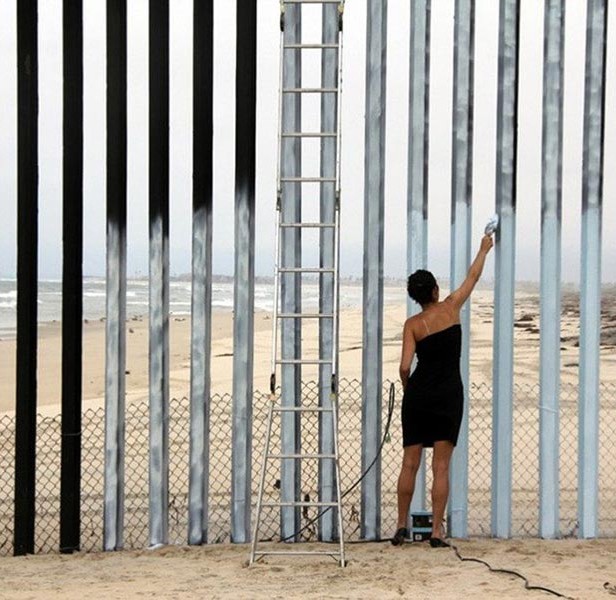
Maquiladoras: The Tax Avoidance Scheme NAFTA Built
Read more: Maquiladoras: The Tax Avoidance Scheme NAFTA BuiltThe North American Free Trade Agreement (NAFTA) established in 1994 resulted in a Frankenstein tax scheme that is a major source of femicide and domestic violence in Mexico.
-
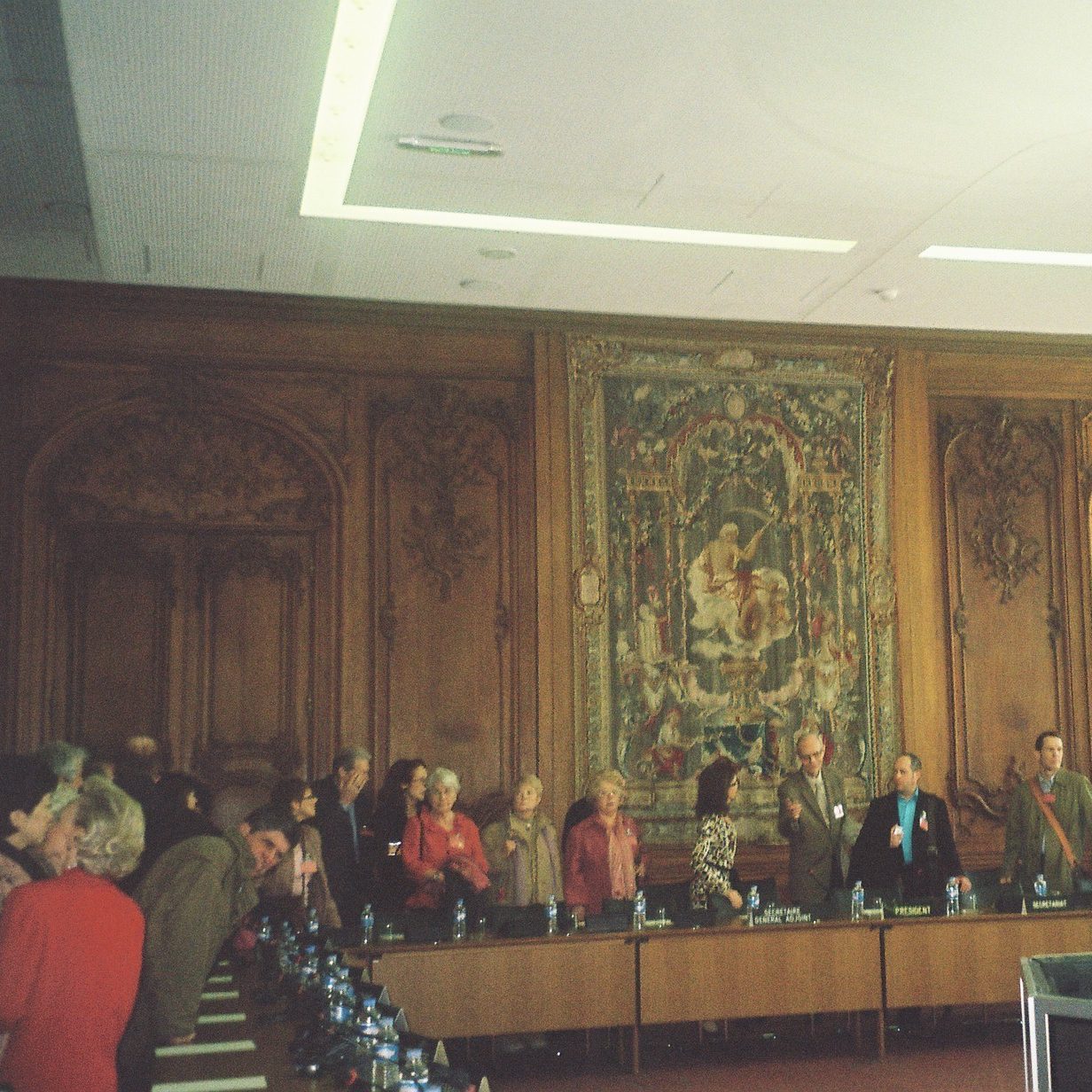
Understanding the OECD
Read more: Understanding the OECDThe Organisation for Economic Cooperation and Development (OECD) is pushing the boundaries on international tax, globalization, and modern-day capitalism. How was it created and why does it exist?
-
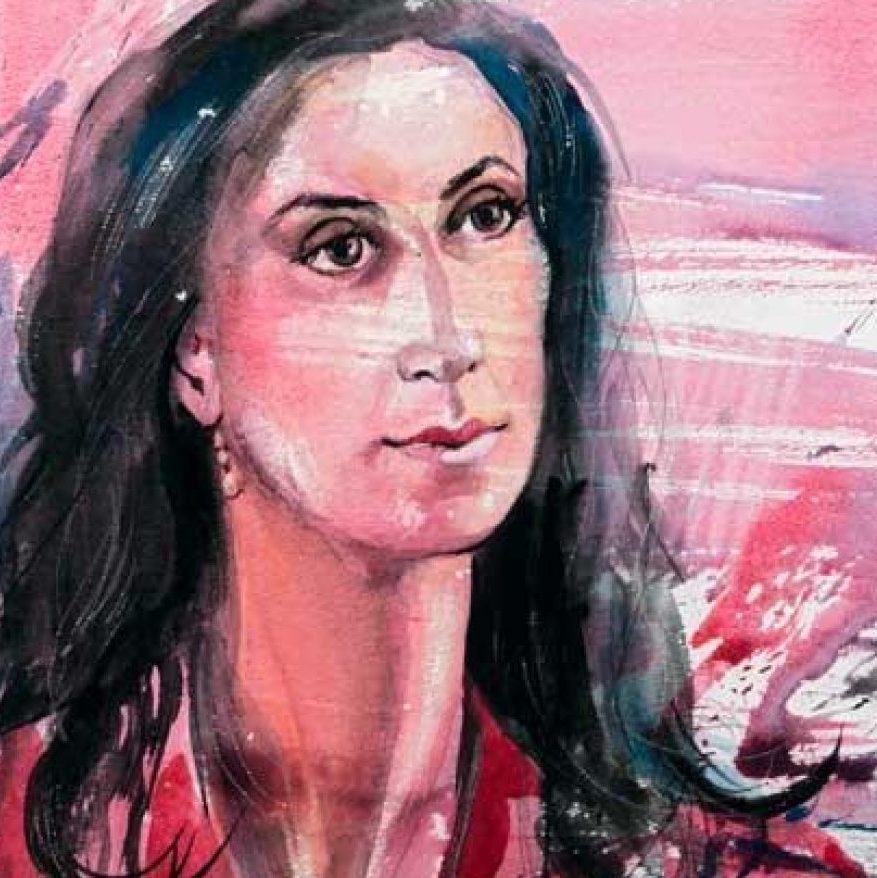
Malta and the Assassination of Daphne Caruana Galizia
Read more: Malta and the Assassination of Daphne Caruana GaliziaThe Panama Papers, a culture of impunity, and the car bombing of life-long anti-corruption trailblazer and journalist Daphne Caruana Galizia.
-

Tax Resistance: Conscientious objectors may have options this tax season
Read more: Tax Resistance: Conscientious objectors may have options this tax seasonFiling taxes by April 15th but a conscientious objector to the war with Iran, the genocide in Gaza, Pentagon spending and America’s endless wars? Here’s a few things to consider before you file.
the frontiers
For ecological imagination and planetary stewardship.
Future Earth examines how humanity’s relationship with the natural world is evolving in an era of climate disruption and ecological renewal.
It connects indigenous and diasporic knowledge systems with contemporary environmental science, highlighting ways of living that honor the land, protect biodiversity, and rethink resource use.
This pillar asks how planetary care — rooted in both ancestral wisdom and modern innovation — can guide us toward more resilient futures.
For heritage, myth, and the stories that endure.
Cultural Memory explores the threads that link generations.
It centers oral tradition, symbolism, ritual, and the lived histories of African and diasporic communities, treating them as technologies of remembrance.
This pillar reveals how memory shapes identity, how heritage influences creativity, and how recovering lost or hidden histories strengthens our collective imagination.
It affirms that the past is not static — it is active material for building tomorrow.
.
.
.
.
.
.
.
.
.
.
.
.
.
.
.
.